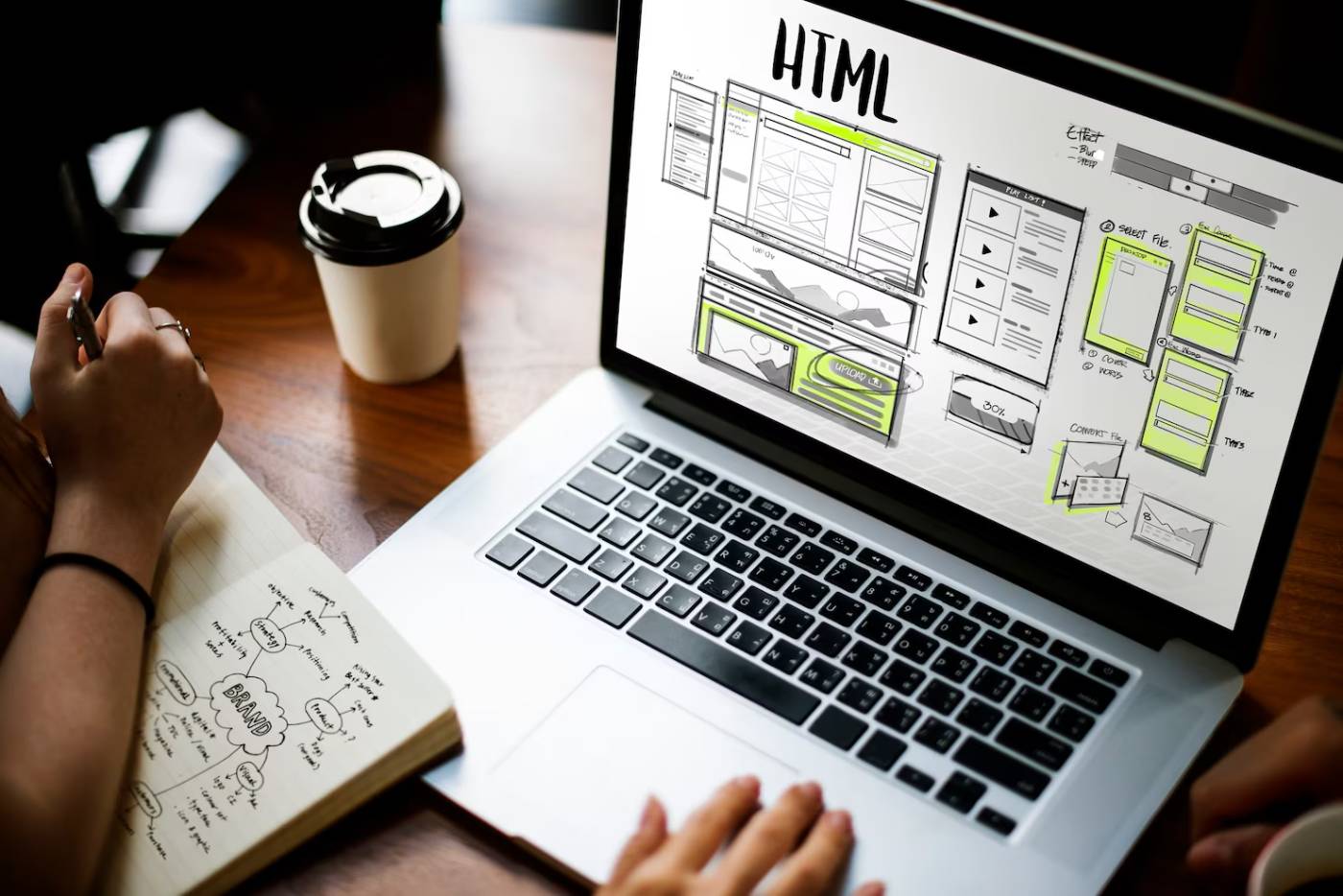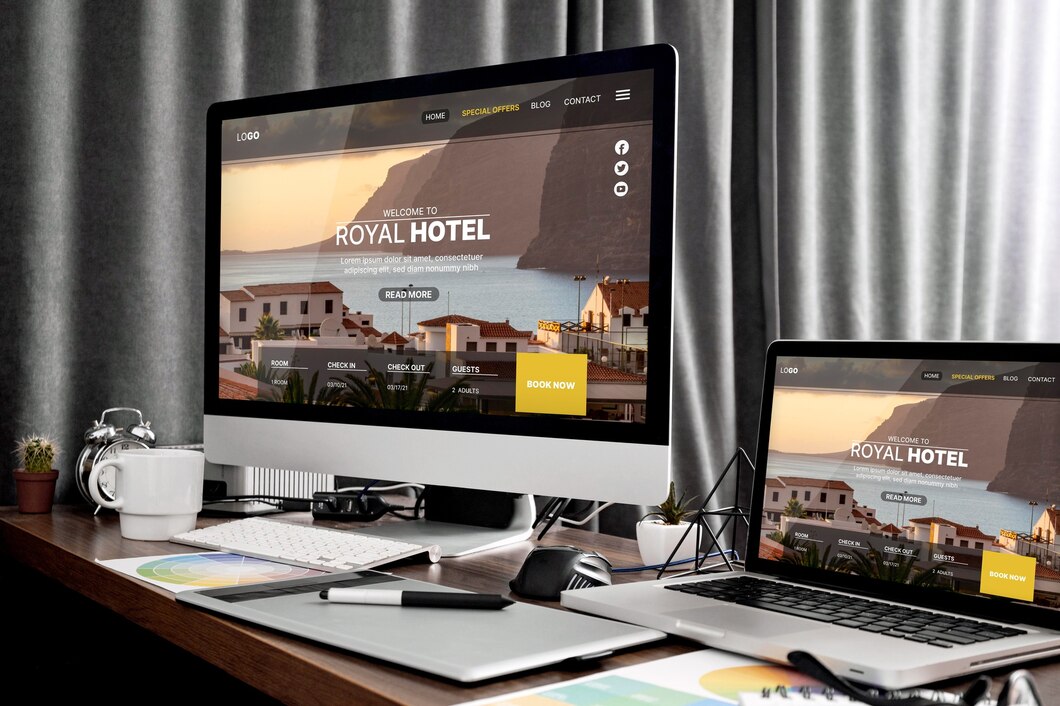

If your business website is not ranking on Google in 2026, you are not alone. Thousands of business owners invest in website design and development but fail to see traffic, leads, or visibility. The truth is, simply having a website is no longer enough. Google’s algorithm has evolved to prioritize performance, structure, user experience, and authority. Understanding why your website is not ranking is the first step toward fixing the problem and building long-term organic growth.
Your website should be your strongest salesperson — available 24/7 and built to convert.
-
1. Your Website Is Not Technically Optimized
One of the biggest reasons websites fail to rank is poor technical SEO. Google evaluates how fast your website loads, how it performs on mobile devices, and how well its structure is organized. Slow loading speeds, broken links, improper heading hierarchy, and missing meta tags can severely limit visibility.
To fix this, your website must be optimized for Core Web Vitals, mobile responsiveness, clean URL structures, and proper schema implementation. A technically sound foundation ensures search engines can crawl and index your website effectively.
-
2. You Are Targeting the Wrong Keywords
Many business websites struggle because they target highly competitive or irrelevant keywords. Ranking for broad terms without strategy often leads to frustration. Effective SEO in 2026 requires targeting specific, intent-driven keywords that align with what your customers are actually searching for.
Keyword research should focus on search intent, competition levels, and relevance to your services. Optimizing service pages, blogs, and landing pages with strategically placed keywords helps Google understand your content and match it with user queries.
-
3. Your Content Lacks Depth and Value
Thin content is a major ranking issue. Google prioritizes high-quality, informative, and experience-based content. If your website contains only a few short paragraphs with generic messaging, it will struggle to compete.
Creating long-form, well-structured content that answers real user questions improves authority and engagement. Detailed service descriptions, educational blog articles, and helpful guides signal to Google that your website provides meaningful value to users.
-
4. Poor User Experience Is Driving Visitors Away
Google tracks user behavior signals such as bounce rate, time on page, and interaction levels. If visitors leave your website quickly, it indicates dissatisfaction. Cluttered layouts, confusing navigation, and slow-loading pages negatively affect user experience and rankings.
Improving design clarity, simplifying navigation, and ensuring fast performance increases user retention. A website designed with conversion and usability in mind not only improves rankings but also increases business inquiries.
-
5. Lack of Backlinks and Authority
Search engines measure authority through backlinks. If no reputable websites link to your business, Google has limited trust signals to rely on. Building authority takes time and consistent effort.
Publishing valuable content, collaborating with industry platforms, and optimizing local business listings help generate natural backlinks. Authority-building strengthens domain trust and improves ranking potential over time.
-
6. Your Website Is Not Updated Regularly
Websites that remain static often lose visibility. Google favors websites that are actively maintained and updated with fresh content. Outdated content, broken pages, and old information reduce credibility.
Regularly publishing blog posts, updating service pages, and improving performance signals relevance and activity. Consistency is key to maintaining and improving search rankings.
-
How to Start Fixing Your Website Ranking Today
Improving rankings requires a combination of technical optimization, keyword strategy, content development, and authority building. SEO is not a one-time task but an ongoing process. Businesses that treat SEO as a long-term investment achieve sustainable growth and stronger online visibility.
Working with an experienced website design and SEO-focused development team can accelerate this process by ensuring your site is built for performance, search visibility, and conversion from the ground up.
Final Thoughts
If your business website is not ranking on Google in 2026, the issue is rarely random. It usually comes down to technical gaps, weak content, poor keyword strategy, or lack of authority. By addressing these core areas, you can transform your website into a powerful digital asset that attracts traffic, builds credibility, and generates consistent leads.
SEO success is not about shortcuts — it is about strategy, structure, and sustained effort.